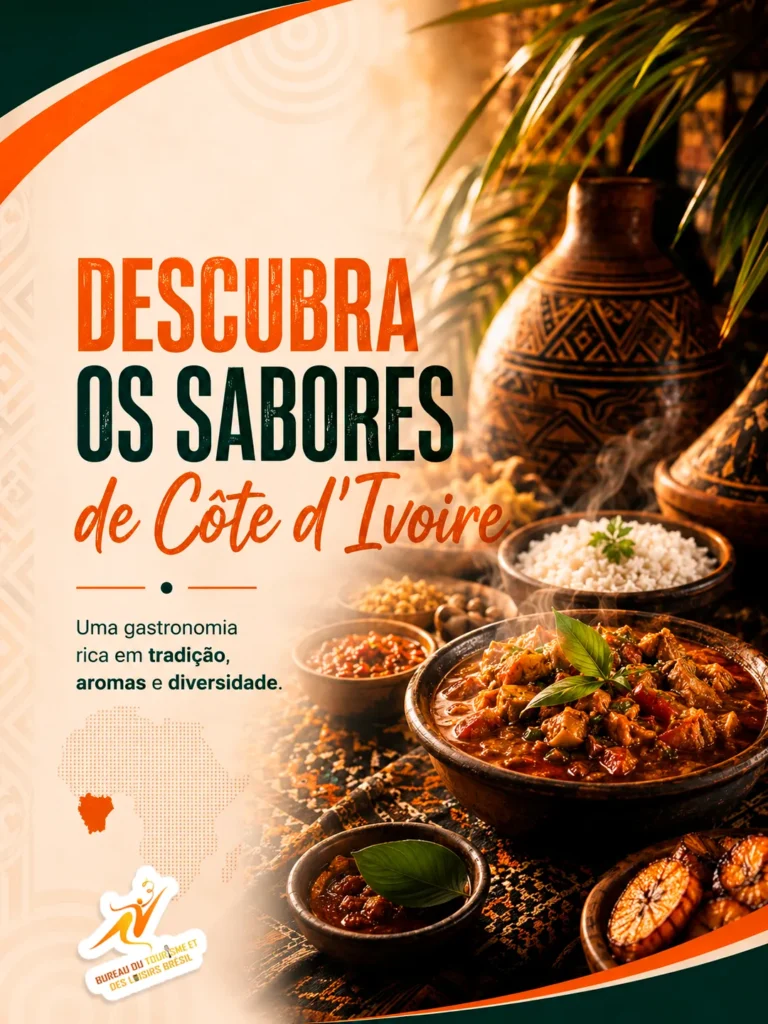
Gastronomy is one of the most direct ways to discover Côte d’Ivoire’s cultural diversity. Ingredients, preparation methods and traditional side dishes reveal habits, memories and flavors that are part of everyday Ivorian life.
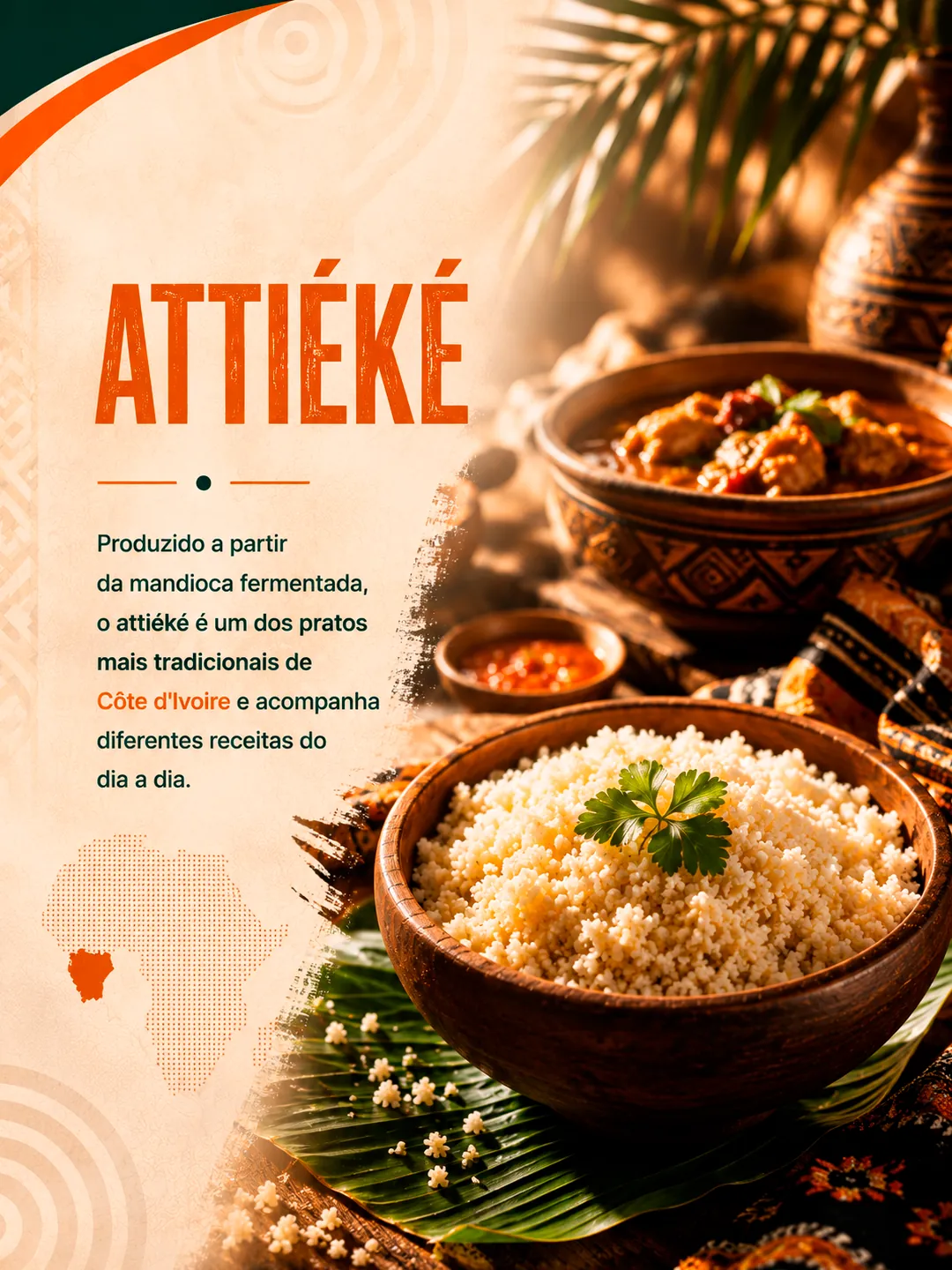
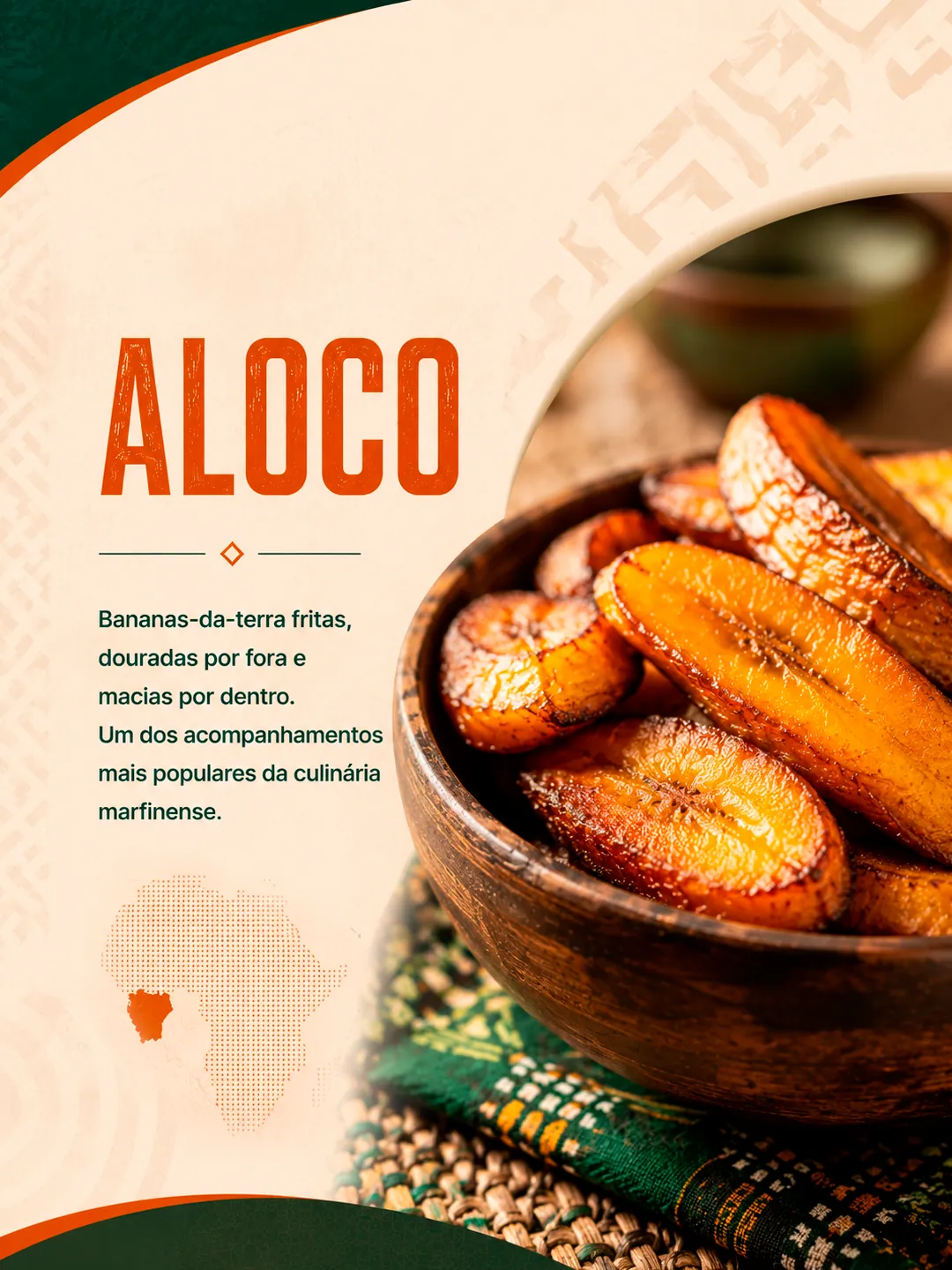
One of the highlights is attiéké, made from fermented cassava and served in many combinations. Another popular side dish is alloco, made from fried plantains that are golden outside and soft inside.
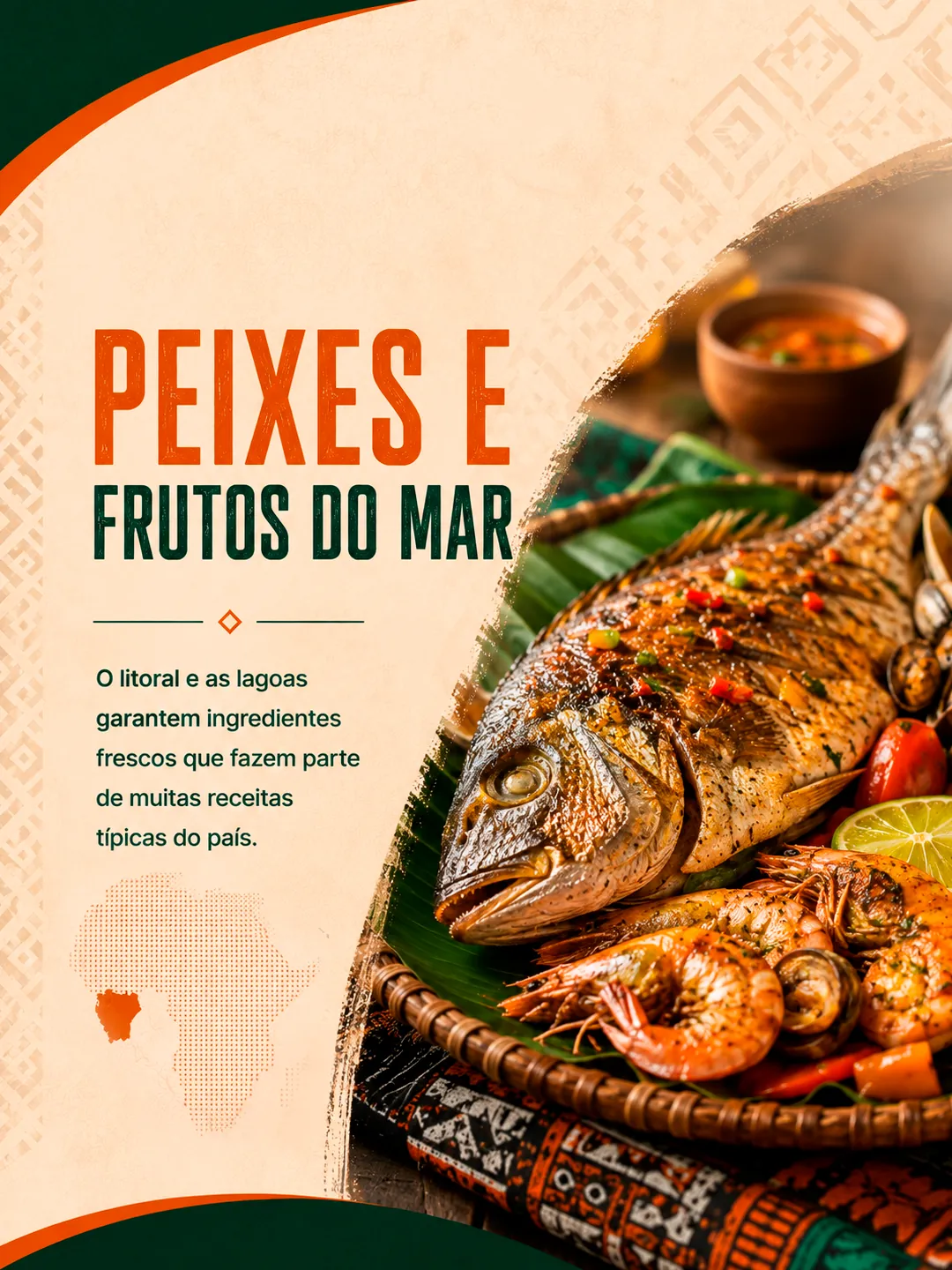
The coast and lagoons also have an important place at the table. Fresh fish and seafood feature in many recipes and reinforce the connection between territory, ingredients and cuisine.
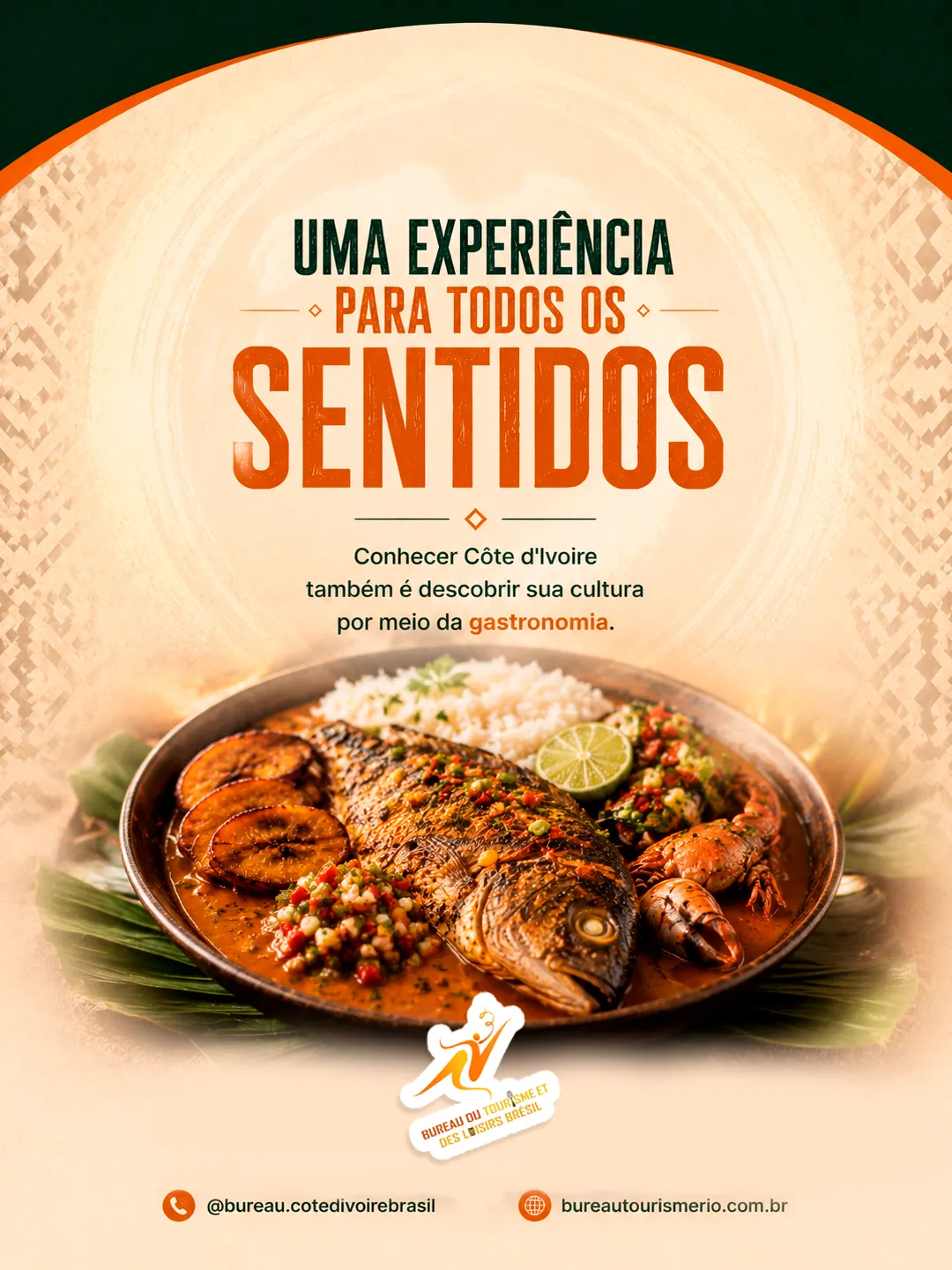
Discovering Côte d’Ivoire also means experiencing this blend of tradition, aromas and diversity. Food turns a trip into a multisensory experience and brings visitors closer to the country’s culture.
Gastronomy as a gateway to culture
More than presenting well-known dishes, this content invites visitors to see how food reflects the territory. Attiéké highlights the importance of cassava and traditional preparation methods; alloco shows the place of plantain in meals and side dishes; while fish and seafood point to Côte d’Ivoire’s close relationship with its coastline and lagoons.
For travelers, tasting these recipes can be as meaningful as visiting a beach, monument or market. Sharing food creates opportunities for conversation, brings visitors closer to everyday life and helps reveal habits that do not always appear in a conventional itinerary. It is also a way to value producers, cooks, restaurants and knowledge passed down through generations.
That is why gastronomy is part of the country’s tourism story. By bringing together texture, aroma, ingredients and memory, Ivorian cuisine turns each meal into a way of discovering Côte d’Ivoire from within. The Bureau’s invitation is simple: traveling also means tasting, asking questions, discovering and returning home with new cultural references.
View the visual content